
Real Talk: You are more susceptible to screen overuse (addiction) if you are Neurodiverse.
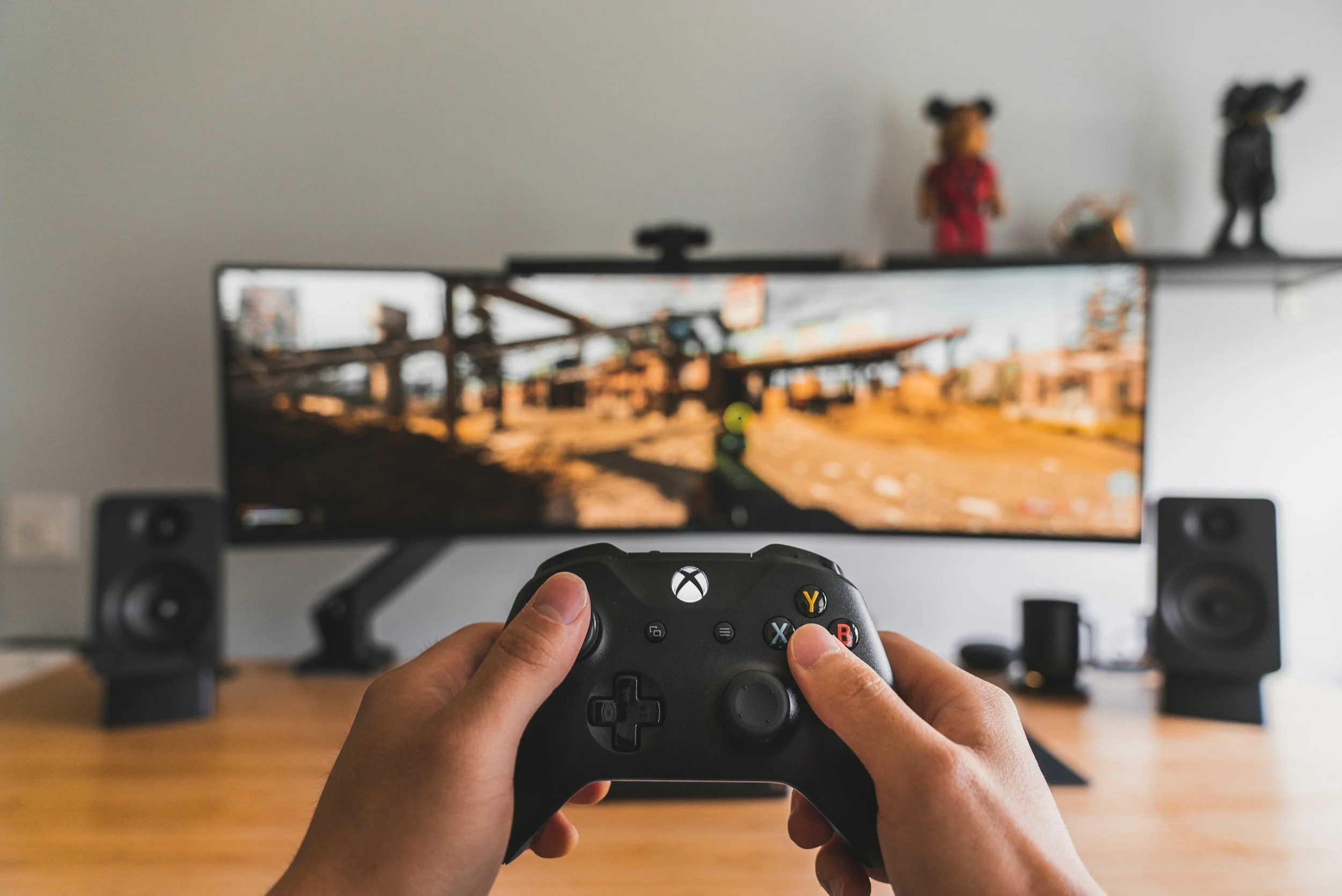
I am using the word addiction loosely here. I want to be clear that there is a difference between clinical addiction and the way most people in society discuss addiction. But it is important to understand that overall, our screen time use is rapidly increasing and putting us at risk for addictive behaviors. And if you have any type of neurodiversity (e.g. Autism or ADHD) you are at an even greater risk. Let’s break this down a little.
High Stimulation
Screen time is highly stimulating. Think about Mr. Roger’s Neighborhood, the slow paced kids show teaching kids about kindness. Now we have Paw Patrol with fast paced scenes (about 10 scene changes per minute). Popular video games are paired with loud explosions and gun fire and bright realistic looking (although artificial) scenery. Those with ADHD are dopamine seekers. Their body is under stimulated and seek this type of stimulation. The more stimulation they received, the more their tolerance builds, and they more they need to get the same dopamine hit. Autistic individuals can also have an under stimulation of different sense. Their body feels that are not getting the level of stimulation they need- this could be visual or auditory- and screen time (e.g. video games, YouTube, shows, social media) are feeding this need.
Predictability
Those on the Autism spectrum are typically black and white thinkers. Understanding the “gray” or predicting people’s behavior can many times be difficult. Video games are fairly predictable, you press the x button you jump, you go to this area of the game and the moster comes out.
Fantasy
Whether you are playing Fortnite or watching Stranger Things, these forms of entertainment pull you out of real life and into a fantasy realm. The world is not set up for the Neurotypical brains and believe it or not, fantasy- with its dragons, fireballs, and ghosts- can feel safer to the neurodiverse person. You can escape into a world where anything is possible. The girl finds true love from the prince, the superhero saves the day, the disabled child falls into the magical river and can walk again.
Second Chances
Video games can feel safer than the real world. If you do something wrong in a video game you have a second chance. If you die in a video game you usually have a certain number of lives or go back to a check-point where you come back to life and try again. In the real world if you forget to study for a test, you punch a peer, you forget look both ways before turning into traffic, you will have serious consequence and may not get a second chance to redeem yourself.
Limited Social Pressure
Socialization can come as a challenge for Autistic individual as they may struggle with perspective taking, understanding social cues, and reading nonverbal cues. As a result they may suffer from social anxiety. In video games, many times there are NPC (non-playable characters) with predictable conversation that the player can chat with. You can choose to play with others online and can mute an interaction if you wish. Television can get you sucked into a scenario of conversation without the pressure to respond. Social media is an outlet to connect and many people choose to just absorb the content rather than comment or post their own content. You may feel a sense of connection or meet a social need without the pressure to think of how to respond.
Research out the The University of Rochester Medical Center, Amen Institute, University College London, and other studies, reveal structural changes in the developing brain from screen overuse. Some have found similarities in these brains and those with substance use disorders. The neurodiverse individual already has structural differences, now add a screen and your changing the brain even more.
So do we take it away?
Not necessarily.
To many kids on the spectrum, video gaming, YouTube, and shows, is their special interest. We are ALL allowed to have a special interest. If you loved watching soccer, how would you feel if someone said you cannot watch soccer ever again? If your child only want to talk about RoBlox, help your child to be flexible talking about other topics.
Many neurodiverse kids find video gaming or social media as their form of socialization. Their online gaming friends may be their best friends that one day they may meet.
We live in a world full of screens, AI, and software that functions like a video game. We must learn how to live and navigate this world. We must educate and help kids to see how to control urges and find other outlets for stimulation.
