
Real Talk: “Don’t sit too close to the TV, it’ll rot your brain.”
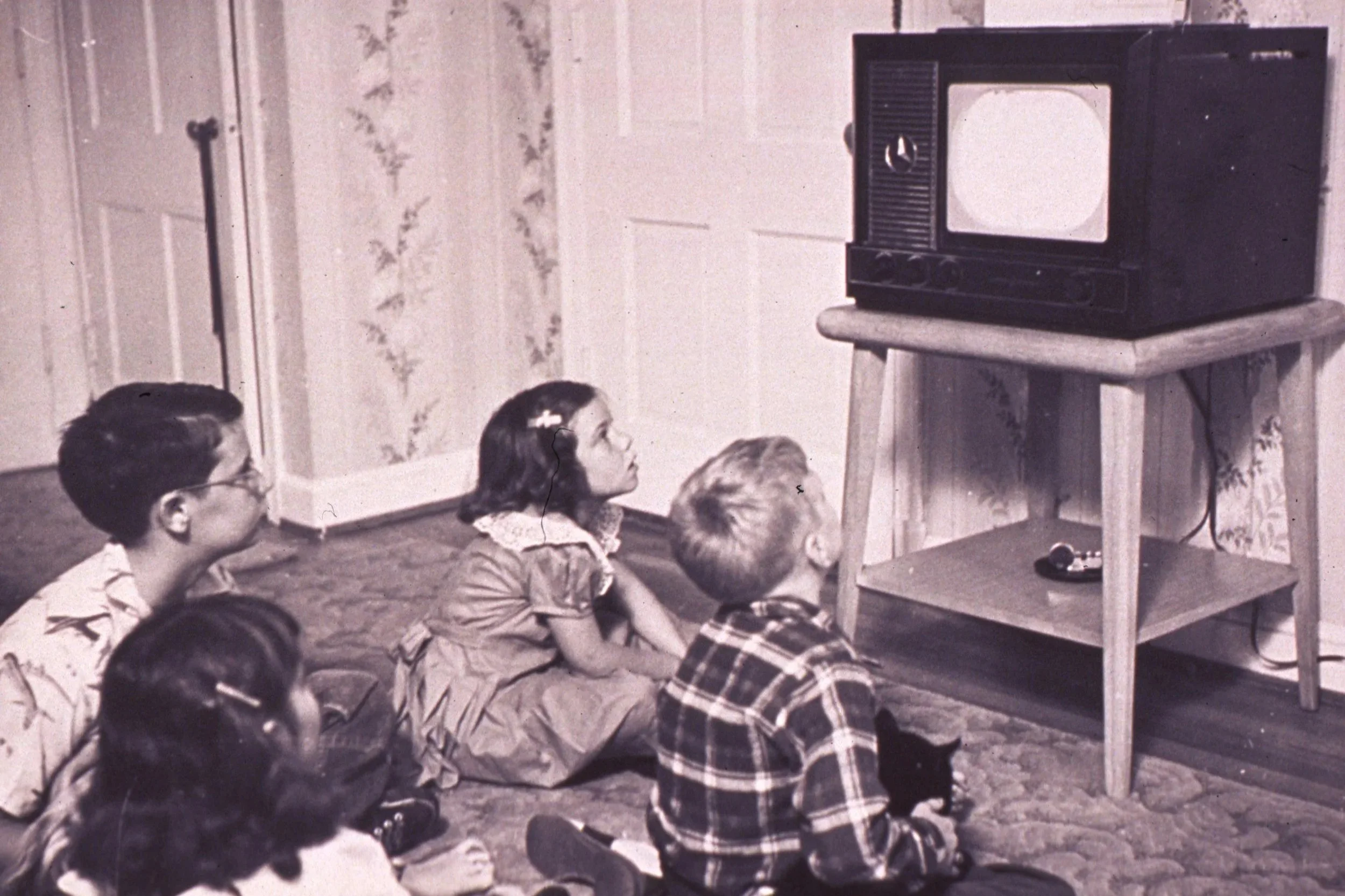
Remember this common phrase coined by sitcom moms in the 60s? From radiation to eye damage, parents were worried about the impact of screens on their children’s health. Now in 2026, we have mini screens that we take with us everywhere, living in our pockets, held inches away from our faces, tablets and laptops that perch on our laps for half the day, screens that light the room until we fall asleep.
Brain Anatomy
Lets first talk about the brain and neurotransmitters.
Dopamine- Dopamine is the neurotransmitter that is linked to motivation and then helps you to focus. You might hear this related to pleasure but actually this has more to do with motivation and desire than pleasure. Dopamine motivates you to read a book or finish a chore. If it is low, it is difficult to focus and therefore difficult to finish a task.
Oxytocin- This neurotransmitter is related to connection and closeness. It helps you to feel safe and calm. When you hug someone you love this is released. If it is low, anxiety can occur.
Endorphins- This neurotransmitter and hormone is released during pain, stress, or pleasure. This is the body’s natural painkillers and coping skill. Endorphins push the body really hard. Endorphins are released during a race to run fast and then when finished a natural calm is felt. Low endorphin levels often result in depression, anxiety, moodiness, and difficulty sleeping and can also trigger impulsive behaviors, addiction, and be linked to low motivation.
Serotonin- Serotonin is a neurotransmitter and hormone that helps regulate mood and sleep. It is often released from getting natural sunlight. This is considered the body's natural mood booster. When low, you can experince depression and anxiety.
Screens and The Brain
Think back to our ancestors, they would get a couple of dopamine spikes a day. They worked hard to gather berries, start a fire, or kill the animal for a meal and get rewarded (dopamine release). Now, we get thousands of spikes a day from screen time use. We are artificially stimulating and creating dopamine. Kids nowadays are choosing dopamine over oxytocin and serotonin when they are alone in their rooms with their devices. Parents, remember when you would spend all day riding your bikes with your friends outside? We need a balance of oxytocin, serotonin, and dopamine. When these are out of sync we see spikes in anxiety, stress, and depression.
Our ancestors’ stress was usually related to seeing a predator. They would see a predator, adrenaline and endorphins kick in and they would run. After they run and would achieve a self of safety they would feel a nature calm and the stress cycle would complete. Nowadays, kids are in a constant state of stress (e.g. bullying, homework, etc.). There is no escape or relief and the stress builds without the release of the endorphins to help calm their systems. Screens make this even worse when many times they are the source of the stress.
Finding Balance
How do we balance these neurotransmitters in a time when screens are so prevalent? How do we complete our stress cycle so the stress does not build?
Dopamine-Natural dopamine production can come from finishing a task. Have your child create a chores list (e.g. make the bed; clean their room). This may not be something that they enjoy doing, but once the task is finish, dopamine is released.
Oxytocin- Physical touch is the best and easiest way to release oxytocin. If you or your child is neurodiverse and one does not like hugs, animals/pets can serve as a great alternative. Other ways involve sitting close to your child, hand massages, painting nails, or sensory bushing.
Serotonin- Find time every day if weather permitting, for your child to spend time outside away from screens (e.g. bike rides, walks in the neighborhood, time at the park, playing sports).
Endorphins- Exercise is the most common form of releasing endorphins but also singing, creativity, and laughter involves the release of endorphins.
In Burnout: The Secret to Unlocking the Stress Cycle, Emily and Amelia Nagoski discuss different ways to complete the stress cycle. The most common way is exercise. Laughter, creativity, and connection is another way to ensure you cycle completes and brings your back to a level of homeostasis. Ensure your child has exercise, creative expression, or time with friends or family each day (unrelated to screen time). And everything I shared above is not just for your children, but also for adults too. We all need to ensure that we balance our neurotransmitters, limit screen time, and complete our stress cycles. So maybe these moms of the 60s were onto something when they said these screens would rot our brains.
