

Real Talk with Adrienne
Real Talk: What Ever Happened to Corporal Punishment?

We can all probably remember a time when our parents or friends told us a story about how they were hit with a “switch” or spanked so hard there was a red mark on their bum. Do you remember them saying it only hurt the first time then they got used to it? Or that it never really deterred them from doing whatever it was that caused the spanking; they just learned how to better hide it.
What is corporal punishment?
When someone uses intentional physical force to cause pain or discomfort as a way of discipline is is considered corporal punishment. At home this can be spanking or using a “switch” (e.g. branch, belt, etc.). Historically corporal punishment was used by authority figures or officials to punish people for crimes (e.g. flogging, public whipping, or stoning). In schools, teachers would hit disobedient children with paddles or rulers. They believed that children would stop the unruly behavior to avoid the pain.
When did corporal punishment decline?
In the 70s corporal punishment began to decline and courts began to rule that this type of punishment went against the Eighth Amendment's cruel and unusual punishment clause. Out of 50 states, 15 still allow corporal punishment in schools (Georgia being one of the 15). Some public schools go about this by having parents authorize the punishment. NPR published an article highlighting the experiences of students and school officials. Public corporal punishment for crimes ended in the United States in the 50s and some countries in the Middle East and Africa still use this as a way to deter people from committing crimes.
Is it illegal for me to spank my child?
Corporal punishment laws are state dependent. In Georgia, parents have the right to spank their children. Under O.C.G.A. § 16-5-23(f), spanking does not count as battery or family violence unless the force causes physical injury (i.e. leaves marks, causes injury). In these cases parents can face felony charges. Anyone who works with children (e.g. child therapist) is a mandated reporter and are obligated to report any possible abuse (e.g. an unusual bruise, burn, or cut) to DFCS for further investigation.
Is spanking effective?
You may hear those who have been spanked or hit with a paddle say “oh my dad hit me and I turned out fine.” But lets break this down from a psychological perspective.
Behavioral psychology shows us that when you want to decrease the continuation of a behavior, you enforce a punishment. When you want a behavior to continue, you provide a reward. Punish unwanted behaviors and reward wanted behaviors.
Example: Your child comes home with a bad grade, so you spank him to decrease the likelihood of him/her bringing home bad grades.
The reality: The bad grade will not go away with a spanking. The bad grade needs to be replaced with a good grade which needs reinforcement of good study habits. What the spanking is actually doing is detering your child from telling you about the bad grade or encouraging lying or falsifying the grade. The next week they bring you a good grade that has been forged and they do not receive a spanking and therefore this reinforces the lying behavior.
What you are communicating to your child when you spank
Behavioral psychology tells us that a punishment extinguishes a unwanted behavior. So when we spank children we are teaching them that it is okay to hit someone in order to makes something we don’t like stop/go away. You are inadvertently teaching them that hitting is okay.
My mother told me a story about when I was 4 years old. I was kicking the back of her seat in the car and she reactively took her hand and slapped my legs and told me to stop. I immediately stopped and looked confused as I said “you told me we don’t hit our friends.” That was the last time my mother ever used any form of physical punishment.
Physical punishment can produce trauma responses. We think about a veteran who is easily startled by loud noises or overreacts in certain situations because of what he/she had endured. Child may develop anxiety, fear, shame, and other emotions either toward you or the event that caused the spankings. Research from the World Health Organization found links between corporal punishment and school dropout rates, physical aggression, mental health disorders, and changes in brain structure and functioning.
So you’re saying I shouldn’t discipline my child?
NO! Discipline does not mean physical punishment. It is important to provide structure and boundaries. Reinforce behavior you want to see continue. Reward them for studying. Praise them when they resolve conflicts without hitting. Punish by removing prefered activities or items. And make sure the punishment makes sense. If Tom kicked Bill at school his punishment may be that he does not get to play with his friends after school and instead has to write Bill an apology letter.
Real Talk: When things seem like a “Big Deal” to your kids: How to Handle Disappointment

“It not a big deal!” May be a phrase you hear yourself saying alot in your house. What feels like a “little deal” to you, may feel like a “big deal” to your kids. Even when the situation seems overdramatic, remember that your child may have a different experience.
Disappointment
Disappointment may come strong and quick for your child. They may not be able to anticipate a disappointment and regulate this feeling like adults. Think of the disappointment as a pop of a balloon. Its sudden, loud, and strong.
Acknowledge the pop
Make eye contact and get down to their level. Verbally acknowledge what you observed and how you saw it manifest in their body. Stay close and give them space to feel their disappointment. Avoid offering solutions or trying to make it better right away, the goal is to show they that you understand and help them to also understand how they feel.
Example: It is summertime and you were planning on bringing your child to the waterpark but when you woke up it was storming outside. You child runs to the window and sees the weather. You tell them that you won’t be able to go today. ''I know that's really disappointing. I can tell your upset by how your looking down a the ground. I’m right next to you if you need me.”
Offer Choices
Give them a little time to calm down before offering alternatives. Notice how their body language may have changed. If you rush into
giving choices too early, they may feel even more upset. Wait until they seem ready to listen. This may mean telling them you will come back in 5 minutes if it is helpful to give them time alone.
Example: You notice your child looking at you instead of the ground. “We can't do what we planned, but I have an idea. Maybe we can come up with something fun to do instead. What do you think?"
If you notice that your child does not respond or becomes more upset you can continue to provide space. “Looks like you are needing some more time to feel sad about this. I will come back in 5 minutes and we can figure out what other fun things we can do today.”
Build Resilience
Help them connect how they were feeling and show them that they were able to handle that disappointment. Later on or even the next day, help them reflect on the situation by naming what happened and what they did to get through it. Help them reframe their thought pattern from “this is the worst” to “I can handle challenges”.
Example: "I know that was a big disappointment and I’m proud of how you handled it. You showed a lot of strength. And we still had a great day.”
Don’t Dismiss the Feelings
Sometimes disappointment is just disappointing and cannot be replaced. They may say “it’s not fair” When they're mid-upset When they say “it's not fair”, push you away, or choose to not find a solution. This may mean staying in the feelings for a longer time. Give your child space and time to move through this feeling. Sit with them, acknowledge the loss, and avoid trying to make it better right away.
Example: “I know this just feels awful! I am disappointed too.”
Remeber to still come back later to build confidence for next time. Remind them that they have overcome this before.
Real Talk: Confidence = Advocating (Help Your Children Stand Up for Themselves)

How do we teach kids to speak up for themselves?
As I’ve talked about in previous blogs, building self-esteem is key to building kids confidence in handling different situations. When we build confidence, children believe in their own abilities to solve their problems without the immediate help of parents.
What is your role?
Do you notice that you are the hero in every situation? Do you swoop in to save your child when they fall down, get into an argument with another kid, get a negative mark on their school paper?
Try not to always be the savior. Observe from afar and know that your child can figure it out. Be there in case they do need you, but see how they handle the situation first. Of course if something is a safety concern you want to jump in immediately and help to teach your child why that was unsafe.
Practice Advocating. Have your child practice asking for what they want and need in a calm neutral environment.
Role Play- Set up stuffed animals and create scenarios in which your child has to ask for something.
Example: “Excuse me Frank the bunny, you are sitting in my seat. Can you please move to your seat?” Have them practice using a confident stance, eye contact or looking toward the person (or stuffed animal) they are talking to, and appropriate volume.
Simple Real Life Practice- When your child is around people that he/she knows (e.g. your neighbors) encourage them to ask for something.
Example: “Can I pet your dog?” “Can I use your bathroom?” “Can I have a drink of water?” “How do you play this game?”
Low Stakes Practice- Start slowly. Have your child practice asking for something they need in an everyday situation.
Example: Have your child ask for another fork at the restaurant or ask how much an item is at a store.
Support Your child
Work to be supportive and encouraging. Try not to scold your child for not speaking up.
Instead of asking “why didn’t you speak up?” say “I noticed it was hard to ask for what you needed. I wonder what you were feeling.” This helps your child feel understood and seen rather than shamed. This gives them the opportunity to talk about their feelings instead of making them feel interrogated.
Show your child that you are partnering with them. Sometimes we need to be the advocates for our child. And sometimes we need to let them build on these skills so that they can advocate for themselves. Instead of doing everything for your child, partner with them. Instead of asking the children for your child’s turn on the swings, tell your child that you will stand with them in line and he/she can ask for a turn.
Focus on the process not the result. When building confidence in kids, we want to praise the effort rather than the outcome. The most important thing is that they tried. They may not always get the outcome they want so remind them that the most important part is that they tried.
Time to Speak Up
In a real life situations, there may be times that you notice your child is really struggling to speak up. Below are some different ways to encourage your child.
Giving Them the Words: Sometimes the first thing that goes “offline” in a stressful situation is our language acquisition. The part of the brain that pulls language gets distracted by the intense feeling and struggles to find the words. Help them find the words by offering some options. Example: “You look a little overwhelmed. Do you want to ask to play with them or do you want to ask to take turns on the slide?”
Silent Supporter: Physical presence may be all they need. Stand close enough to your child that they feel supported and focus your attention on them. Provide a smile and nods of encouragement.
Verbal Encouragement: If your child comes back over to you and asks for your help, provide words of encouragement. Example: “You got this.” “Start with I need.”
Remember that sometimes you will have to watch your child struggle in order for them to learn. As your child grows up, you will not be with your child all the time and building their confidence to try things on their own before asking for help is an important skills for kids to develop.
They aren’t learning that they dont need you. They are learning that you trust that they can do things on their own.
Real Talk: Positive Parent or Push Over Parent?
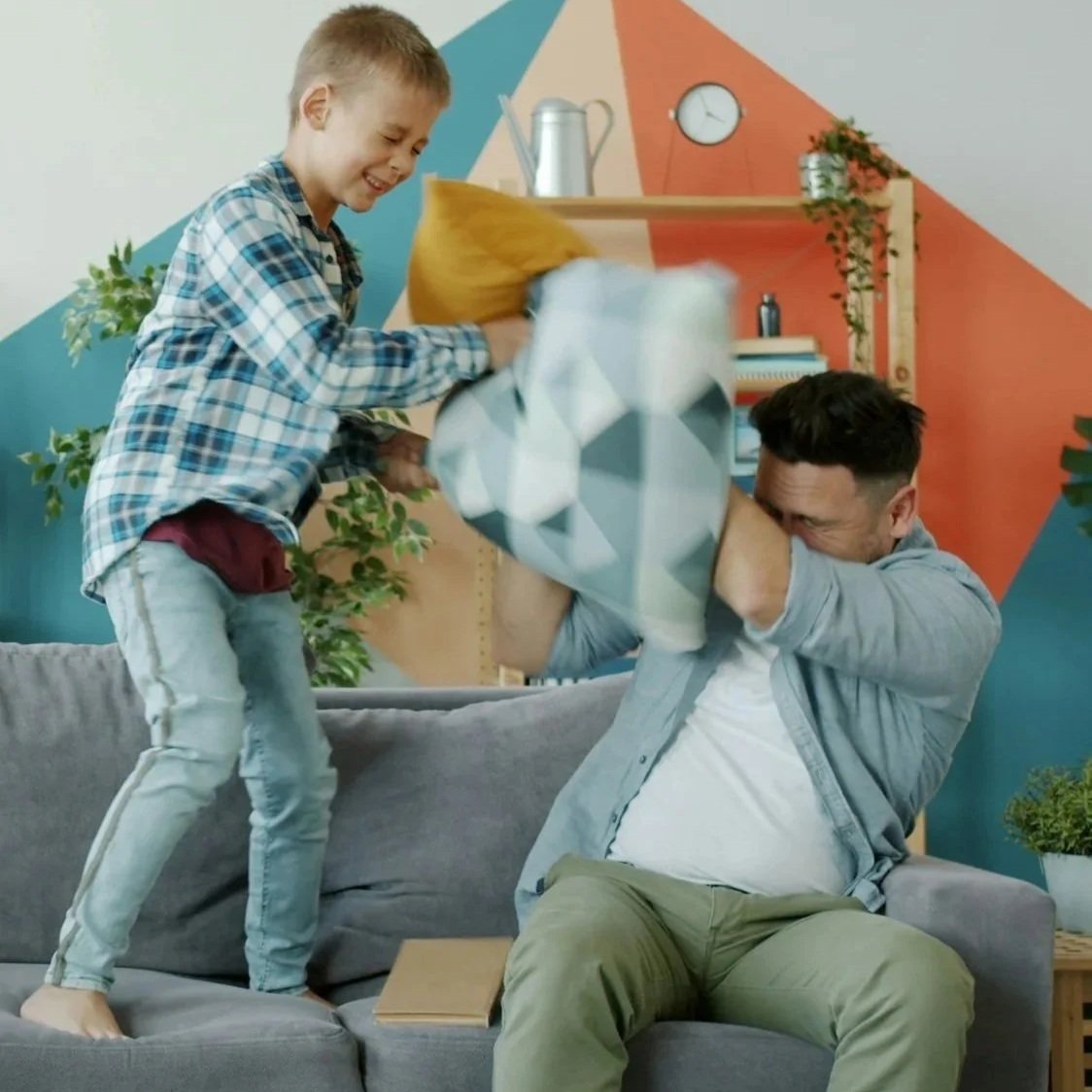
Remember learning about the 3 different parenting styles: Authoritative, Authoritarian, and Permissive? Authoritarian parenting has very strict rules with little room for negotiation, permissive parents have very little rules and avoid conflict, and authoritative parents work with their children to negotiate, set clear rules, and have open communication. Somewhere along the line we dropped all these styles of parenting and created new ones. Gentle and positive parenting have been the new trend.
Gentle Parenting: Gentle parenting has much research to back it up. It focuses on empathy, respect, and clear rules/boundaries rather than punishment and rewards. Parents focus on emotional intelligence and try to understand their child’s behavior. They help kids understand why a rule is in place. Discipline consists of validation child’s feeling and offering choices rather than traditional punishments.
Positive Parenting: This is also a widely researched parenting approach. This approach focuses on the parent-child bond with little to no punishment. These parents focus on the child’s character and enforce boundaries. They teach accountability by using natural and logical consequences.
Both of these approaches overlap. Positive parenting focuses on long term character building with natural consequences and gentle parenting focuses on the immediate moment using empathy and emotional attunement.
So how is this differnt than permissive parenting?
Permissive parents lack rules. Gentle and positive parenting have clear boundaries and guide the child rather than shaming or forcing. But you need rules and boundaries! This is how a child feels safe. My mother was a teacher and she told me a story about a little boy in her class who screamed and cried and broke all the rules because he did not have many at home. My mother set firm boundaries in her classroom and at the end of the year this child was hugging my mother and telling her that she is his favorite teacher.
Setting Limits
In child centered play therapy, we set limits and enforce limits when something is not permissible. ACT limit setting.
A: Acknowledge the Feeling. This helps children to feel seen and know that their feelings are valid.
C: Communicate the Limit. Explain that even though their feeling are valid, there are still rules.
T: Target an Alternative. Give a child 2 options so that they feel somewhat in control. Sometimes when a child behaves in a nonpermissible way they 1. may not know what is actually allowed, 2. are testing limits, or 3. are seeking control. Providing alternative options for a child who seeks control gives them an opportunity to make a choice.
Example: Tommy was attempting to color on the walls.
A: “Tommy, I know you think it would be fun to do that.”
C: “And the walls are not for coloring on.”
T: “You can color on this piece of paper or this tissue box.”
Parent Homework
Positive parenting is tough. It can feel easier to scold and remove all their toys and privileges when they are misbehaving.
Patience: This type of parenting requires significant patience. Seeing positive results takes time and consistency.
Coregulation: It is important that you balance your own needs and emotions. If you struggle to manage your emotions in a high stress situation, this type of parenting may feel more challenging to you. Your child feeds off your your emotional energy and will learn to regulate when you are regulated. It is important to do your own work and talk to your own therapist to process and manage your feelings to better help your child.
Parenting judgement: Other parents may see you as a soft or passive parent. You own parents may give you the same feedback and say “Back when I was a kid, my parent beat me with a switch and I turned out fine.”
Remember that positive parenting is not permissive parenting. You don’t let your child push you around. You are the adult and you set the boundaries. AND you work to help your child understand the boundaries, understand their emotions, and feel supported.
Real Talk: We All Want Our Kids to Have a “Good” Day, but How do We Make it Happen?

I don’t love to label days as good or bad, or positive or negative, but how often do you tell your child to “have a good day at school”? What does a good day even mean or look like? We of course don’t want them to have a bad day at school. First, explore what having a “good” day looks like for your family/ your child. Maybe this means staying on “green” on the behavior chart all day. Maybe it means your child makes it through the day without a call from the nurses office to go home. Maybe it’s your child learning something new.
Fostering A “Good” Day
Create a daily mantra: “I can do hard things.” “I choose kindness.” “I can handle this.” Create a daily or weekly manta for your child that is personalized. Choose something that is meaningful for the child. If they struggle going to school maybe the mantra is “I can do hard things.” If they struggle with getting along with others maybe “I choose kindness” is more helpful. Maybe this mantra changes every week or every month, or maybe this is a phrase that can stick with the child all year.
Rose and Root: Have each person in the family share a Rose and Root when they get home from school. Rose is something wonderful and exciting that happened in the day and Root is something that may have been more challenging that you can grow from. Make this even more fun and add a ladybug. Lady bug is something that will make tomorrow a lucky day. This helps everyone plan for the next day. Example: “My lady bug is that I will study hard tonight so that I can be more prepared for my test tomorrow.” By also sharing your rose and root you model problem solving and cognitive reframing. You can make this creative by purchasing a fake rose from a craft store that you pass around as you share OR have everyone draw a rose, write their rose and roots, then share their pictures.
GLAD: Help your child focus on gratitude by sharing what makes them GLAD. Do this before bedtime as it can be the last thing they think about before going to sleep. You can also pair this with yoga or meditation to connect these grateful words with calm energy. If bedtime is a challenge then maybe find a different time of day to do this. We don’t want the child to associate this activity with a uncomfortable feeling. Perhaps they just struggle with the routine before getting into bed (e.g. changing clothes; brushing teeth) but when they get into bed they are more calm. This maybe be the time to practice GLAD.
G: Grateful Name something that you are grateful for today. This can be something large or something small. Help children find more variety in theri answers by answering first. Examples: sun was shining; I saw a dog today; grateful to have my favorite food at lunch; grateful that I am healthy).
L: Learned Name something you learned that day. This can be something they learned at school, something they learned about themselves, or something they learned about someone else. Example: I learned how to multiply by 4s today; I learned that I can focus better in class when I hold a fidget; I learned that my friend likes when I sit with her while she does her homework.
A: Accomplish Name something that you accomplished today. This can be something grand or something small. Example: I woke up in time to eat my breakfast at the kitchen table; I got an A on my math test; I won an award; I made my bed today.
D: Delight: Name something that brought you joy or made you smile. Example: hearing a bird chirp; seeing a pretty flower; looking at an old photograph; or laughing at a funny moment with a friend.
Repetition rewires the brain. The more you do these activities with your children the more they are telling their brains to look for the “good” in their days.
Real Talk: How to Build Healthy Self-Esteem in Children Without Creating Entitlement

Healthy self-esteem helps children feel capable, confident, and resilient, but this is different from entitlement.
Self-esteem grows when kids are encouraged, supported, and allowed to try new things. They are supported when they make mistakes, and learn from those mistakes instead of internalizing the mistakes as personal failures. They learn to try new things and even if they do not succeed the first time they will be surrounded by encouragement and support. This external encouragement turns into internal encouragement. The narrative becomes, “It is not about always winning, but having the courage to always try.”
Entitlement develops when children expect praise, rewards, or special treatment without effort. The narrative is “It doesn’t matter if I win or lose because I know I am getting a reward at the end.” This mindset can form from a lack of clear boundaries, overuse of or excess to material items, and overprotective parenting. If a parent is constantly removing obstacles the child is not building frustration tolerance. They are learning that they can avoid hard things and start to develop unrealistic expectations.
Building Self-Esteem
Parents can empower children by celebrating progress, teaching responsibility, and setting appropriate limits. This helps them build genuine confidence based on effort and not in expecting the world to adjust for them.
Boundaries: Set appropriate boundaries and stay consistent. Follow through is so important when we set limits. If we “give in” (for example: let them have one more cookie) they begin to believe that the rules do not apply. Also watch out for reinforcement for unwanted behaviors. When we think about operant conditioning, if we give a reward right after a behavior we are rewarding that behavior. If you “give in” after your child yells or whines, they learn that if they yell or whine they will get a reward.
Praise: Notice what behaviors you praise. It we are overpraising ordinary everyday tasks, then the child will begin to believe they need praise for everything they do. Developmental age plays a part here as you will praise different thing for younger kids as they build their skills. Remember to praise the effort, not the outcome. If you only praise a child when they get an A on a test they may learn that the A is the only thing that matters no matter how it is achieved (e.g. cheating). But if you ask the child questions about what they learned or the effort they took to study for the test then this will be where they put the most effort.
Responsibility: Give children appropriate tasks to build responsibility. Give them small chores around the house that they must complete regularly. Allow children to struggle and solve problems on their own without your automatic help. When our first response is to intervene or “save” it teaches children that someone else will solve all their problems. Instead help guide them (example: “I will stand with you as you ask your friend for another cupcake”). Many times, kids are testing limits to see what all they will be able to get away with. If they ask for your help before even trying on their own they are testing to see if they even need to try. If you know your child can do it on their own, let they try and struggle. If you know they cannot do something on their own, partner with them. Example: If your child does not know how to tie their shoes you would not just say figure it out. You may choose to take one side and do it first while they loop the other side. Yes, you are helping them, but you are not doing everything for them.
Comparison: Try not to compare your child to others. When we compare them to others they believe they are better and should be treated differently. Focus on their own efforts, contingent on their own behavior.
A note on neurodiversity
The world is not set up for a child with developmental differences. Expectation and norms are created for the neurotypical brain. This can cause much anxiety when parenting a child with low frustration tolerance or large emotional outbursts. These parents may notice themselves avoiding certain situations and providing more rewards to these children for everyday tasks.
Differentiate accommodations and entitlement. Help your child understands that accommodations for their neurology are essential tools, not privileges or excuses. Things like a separate room for testing, noise-canceling headphones, or extra breaks are offered to help leveling the playing field to meet their needs. Help children understand that even accommodations may not always achieve success. Their diagnosis will not be a reason they do not follow rules, but instead can help them advocate for what they need.
Responsibility: Just like above these children need to learn how to take responsibility without expecting an adult to always save them. Give them developmentally appropriate tasks. Provide clear expectations for the tasks and break it down into separate tasks. Example: Instead of “do the dishes” break it down to 1. Bring all the plates, silverware, and cups to the sink 2. Wash all dishes with soap and water 3. Place all items on the drying rack.
Praise and Rewards: Sometimes these type of brains need more rewards to build motivation and follow through. But, be careful as we do not want to set a child up for expecting a reward for everything they do. If a child has very low frustration tolerance you may need to provide a reward for just sitting down at the table and attempting 1 math problem. Next time you may try 3 math problems and add on from there. If you know this is something very challenging for your child you can start small. Remember to only provide a reward when they have followed through on something desirable. If the deal is they get a treat after 3 math problems but they only completed 1, then they do not get the treat.
Practice Accepting “No”: They need to learn that they may not always get their way. This may cause a large reaction. Have your child practice accepting no at home. Make is into a game. Have them ask you silly questions throughout the day that you say no to and they have to say “okay I accept that.” Example: “Can you buy me a pony?” “Can we eat icecream for dinner?” “Can we move to Alaska?”
We all want our children to feel seen, heard, and important. Build your child up by supporting them with praise and encouragement, set consistent limits, and give them appropriate responsibility.
Real Talk: It is Hard to Show Empathy for Big Emotions

It’s 7 am. A school day. You need to get both your kids in the car in 10 minutes, packed, dressed, with their hair and teeth brushed. You son is compliant and is ready to go. You daughter starts her daily screaming match. Tear rolling down her face as she fights you with every ounce of her being. Today she doesn’t like the meal you packed in her lunch. Yesterday it was because she was going to miss you too much, the day before her shoes were too tight. You want to start to scream and cry too as you quickly become dysregulated.
Parenting is hard! Parenting a highly sensitive child is even harder!
You are not going to do everything perfectly all the time. There are probably times you look back and know you could have handled a situation better or you should not have yelled back. Maybe it’s difficult to find empathy for you child in these moments.
Below, are some effective ways to handle these outbursts and to build your own understanding of these big emotions.
Validate
Do: Validate how they are feeling. “I know you are feeling upset right now.” Even if the behavior is not valid, or you don’t totally understand why they are feeling the way they are, remember that the way they feel is their experience. Communicate that you understand how they feel.
Don’t: Tell them to calm down or that it’s not a big deal. This invalidates their experience and can cause they to feel isolated and misunderstood. Maybe it does not seem like a big deal to you but to them it is overwhelming. Usually, these statements result in a even bigger emotional outburst.
Focus on Understanding Without Labeling
Do: Communicate what you think occured. “It looked like you got upset when you didn’t get passed the ball.” This communicates understanding and invites further conversation. Even if what you saw wasn’t what they experienced, this will help you to better understand your child’s thought process. And don’t worry about getting it wrong. Your child will tell you if that is not what happened.
Don’t: Label the child as cry baby or dramatic. Even telling your child “be a big girl/boy” or “be brave” can cause them to suppress feelings and feel dismissed. This is different than asking if they are able to finish out the game and talk more about their feeling when they get home.
Focus Their Experience
Do: Focus on how they are feeling in a situation. “Everyone reacts a little differently in this kind of situation. Seems like this was tough for you.” Showing empathy can be difficult especially when you are struggling to understand their experience. If you are struggling with this maybe this is a good time to journal and think about how you feel in these situations. Confusion and frustration may be common emotions when children are having large emotional outbursts. What would help you to better understand their experience? If your child has a diagnosis of Autism or ADHD maybe do some research to learn more about how this affects the brain’s processing of emotional stimuli.
Don’t: Compare them to other children. This can be really easy to do especially if your child is singled out. Comparing them makes them feel inadequate. Even if you notice that all the other children follow the rules and accepts the situation without crying and screaming let them know that you see them and understand it is hard.
Encourage Problem Solving Together
Do: Focus on the solution. Ask “what can you do next time?” Allow them time to try to think of their own solutions before offering one. Role-play and practice with them so they feel more confident in a similar situation. If they have a favorite character or stuffie ask them how that character may react and if it happens again remind them of that character.
Don’t: Criticize or judge. Notice your tone and facial expressions. Are you portraying judgement with your face/voice. Try to be congruent here and find a way to understand their reaction. Kids can see through our mask, so try to practice empathy at home. And it is okay for you to step away from a situation to regroup. You are not a robot. You also need to practice how you regulate your emotions during the same situation. Verbalize this. “Mommy needs to work on staying calm when she does not understand why you may be upset. Next time, I am going to walk away and take a few breaths before coming over to help you.”
Real Talk: How Do We Build Confident Kids?

The last things you want to hear is “I’m stupid” or “I can’t do it". It can just crush us to hear our kids talk this way or give up immediately on a task. You as the parent see all the wonderful things about your child and you can tell them all these great things about them but they still tear themselves down. My last blog discussed the importance of modeling. When we as the adult model confidence is can instill confidence in our kids too. Below are some other tips to help build a child’s self-esteem.
Notice Their Interests
Identify that you notice what they like or what they do well. Use statements like “You know alot about that” and “You just taught me about something I didn’t know”. This serves as a good reminder for them that they have strengths. Even if a child denies this, continue to verbally notice.
Your child is a perfectionist when it comes to their art. You’ve noticed them crumple up their art work or talk bad about it when it’s done. Don’t just praise the artwork by saying it’s beutiful. Instead, notice their body langauge as they were working, notice the details of the art. “You worked very hard on all the tiny detail of the tree’s leaves.”
Ask for Their Expertise
Ask your child to teach you something that they know well, even if you already know how. This can be a game, hobby, or skill. This in itself can boost a child self-esteem. Remember the purpose of this is to boost self-esteem. If a child teaches you how to play a game and they actually are incorrect, this is not a time to correct them. It actual rules of the game are irrelevant in this moment. You can smile and say, “This is a new way to play this game that I have never learned before.” This not only builds their confidence but also shows them that you are listening and understand them.
Your child knows alot about Minecraft. You notice they get easily frustrated but it is their go to game. You sit down next to them this time and say “I know you love this game but you have never showed me how to play. Can you teach me?” They light up as they show you what all the different buttons on the control do and the tasks they have completed in the game.
Focus on the Gain Not the Gap
Focus on what they did well not what they did not do. Most of the time a child is already punishing themselves internally for doing something wrong. Try not to add to this with additional punishment, especially if the task was something for fun. Bring to their attention what you noticed they did well. This can help you and your child focus on achievements, however small. Model this behavior in your own life. If something does not go as planned, for example you try a new recipe for dinner, focus on how this was an experiment with a new spice and maybe the texture of the dish you do like. Focus on what went well.
You child missed some fly balls and at the baseball game and their team lost. Your child comes over to you with their head down and streaks of tears on their face. You look at them and say, “You know what I noticed, when you hit the ball during the second inning, you got your team a point.” There is always something to highlight, even if this was their worst game. “I saw how happy you were when you got up to bat.” Or “I noticed that even though this was a tough day for you, you still came out and tried for your team. That shows how important this team is to you.”
Encourage Problem Solving
It is normal to want to solve a problem for your child. Instead, encourage your child to find a solution. Tell them you are going to support them and that you know they can find a solution. This teaches kids to work through problems on their own instead of relying heavily on you. This carries into adolescence when they have more independence and have to make decisions on their own. We want to be able to trust our children to make big decision. Starting in early childhood, you can build this confidence to make decisions and problem solve. Let your child be uncomfortable and try new things. If you child really is struggling, partner with them to problem solve.
Your tween was invited to two birthday parties on the same day. They are very stressed as they want to go to both parties and ask you want to do. You look at them and say “That is a tough decision because I know you want to be a supportive friend.” They ask you to choose for them but you say that this is not your decision to make but you will listen as they try to work it out.
Your 5 year old is trying to open the bag of chips. You’ve showed them how to do this in the past. You see them getting more frustrated. If you always do this for them, they will not learn how to do it on their own. You know they are fully capable of doing this but it would be so easy to just do it for them. You also know if you do this for them they won’t build frustration tolerance. They ask you to open the bag. You say, “I know these bags are really tricky and I know you can do it on your own. I see you grabbing both sides like you learned. I know you can figure this out.” Through grunting and whining, they open the bag and they yell “I did it all by myself!”
Highlight Your Imperfections
Let your child see you make a mistake. Kids can have a unrealistic view that adults are perfect. Show them that you make mistakes too and that it’s okay. You too can learn and bounce back from mistakes. Color outside the lines and laugh and make it into something different. Make a meal and don’t go by the recipe. Especially if you have a high achieving child with perfectionist tendencies, intentionally do thing “wrong”. Make mistakes on purpose. Maybe perfectionism is something that you struggle with yourself. This is a great opportunity to build your own confidence. Mistakes make us human and we can survive through them.
You are in the waiting room at the doctor’s office and notice that you have two different color sock on. You look to your child and say, “Look, Mommy was in such a hurry today, I put on different socks.” Your child giggles with you and says “That’s okay, that makes you stand out in a good way.”
You are at parent teacher conference and call the teacher the wrong name. After the meeting, you tell your child, “I made a mistake during the meeting, I accidentally called your teacher Mrs. Smith.” You child laughs and says “That was my teacher last year.” You say “I apologized to Mrs. Green and she said it was no big deal. Even Mommy can get confused and forget things sometimes.”
Confidently be Unconfident
This may seem contradictory. It takes confidence to identify when we do not know it all. To be able to say, I don’t have all the answers. Sometimes we put too much pressure on yourselves to be the best or to know it all, so we wear a mask to the world. It can take confidence for a child to say, I don’t know and I need help. There is of course a balance here between asking for too much help and not asking for any help. Help guide your child to find this balance by modeling this behavior. You as parent do not have all the answers. Tell your child when you do not know. This goes along with modeling making mistakes. This teaches your child that adults don’t know everything.
Your child is working on math homework. They ask you about fractions but it has been a long time since you have done anything with fractions and cannot remember how to do this. You look and them and say “I am going to be honest, I do not remember how to do this. I can help look this up and we can learn together.”
Your at the dentist’s office and your child asks you about different teeth facts. Some of these questions you believe you should know but you don’t remember. Instead of beating yourself up about not knowing. You confidently look at your child and say, “I actually don’t know the answer to those questions but I bet the dentist will know. Let’s ask her.”
Real Talk: Actions Speak Louder than words

Children learn more by observing those around them.
And the best part is they don’t even know they are learning.
This comes with pros and cons.
Pro: If you model the behaviors you want to see from your child they are more likely to mimic these behaviors.
Con: If you tend to have a short fuse, they may pick up on that too.
7 tips to modeling prosocial behavior:
Show Kindness and Empahty. Verbalize to your children how you understand someone's situation (e.g. treat service professionals with respect, smile or wave to neighbors).
Stay Calm. Try to use your own coping skills if frustrated and keep a calm tone of voice. Identify your feelings and how you are handling it. Example: instead of yelling in traffic, say “I feel stressed about getting to the game on time. I cannot control the traffic so I will put on my favorite tunes while we wait”.
Prioritize Face-to-Face Connection. As I have discussed in previous blog posts, we live in a word of heavy screen and social media usage. Although we may not be able to get away from this completely, show your children that your time with them is important, (e.g. silence your phone, listen with your body language, and spend quality time with them away from screens).
Speak Kind Words to Yourself. Your children absorb alot more than we think they do. When you use negative self-talk, they are more likely to do the same toward themselves. Example: Instead of scolding yourself about falling off your diet or using word like “fat”, model healthy eating and verbalize what you think you are doing well.
Say Sorry. Model apologizing and make amends when appropriate. Model this to your partner and to your child. Show them it is okay to make mistakes and it is important to apologize and try to not give excuses (even if they are valid). Example: You missed your daughter’s basketball game, you apologize and tell her you will bring her to her next practice.
Speak Positievly About Others. Refrain from gossip, even if another person brings something up. Children will learn to speak respectfully about others when you do too.
Express Gratitude. The more you show your appreciation for all things (even the little things) the more your children will too. This can help their overall joy and self-concept. Example: “Wow, look how pretty it is to see the sunshine through the trees. Lets take a moment to be thankful for the sun.”
Real Talk: R.E.S.P.E.C.T: Find out what it means (to your child)
How do you build a household that fosters respect? It seems like a simple questions but sometimes when you see your child lying, hitting, or saying something unkind, we realize maybe this isn’t such a simple task. In order for children to display respect for others, we must show them respect as well.
Boundaries
Children are allowed to have boundaries too. From a young age, children have very little autonomy. They rely fully on you for food, shelter, and decision making. As they age, they begin to make decision on their own and begin to develop a sense of self.
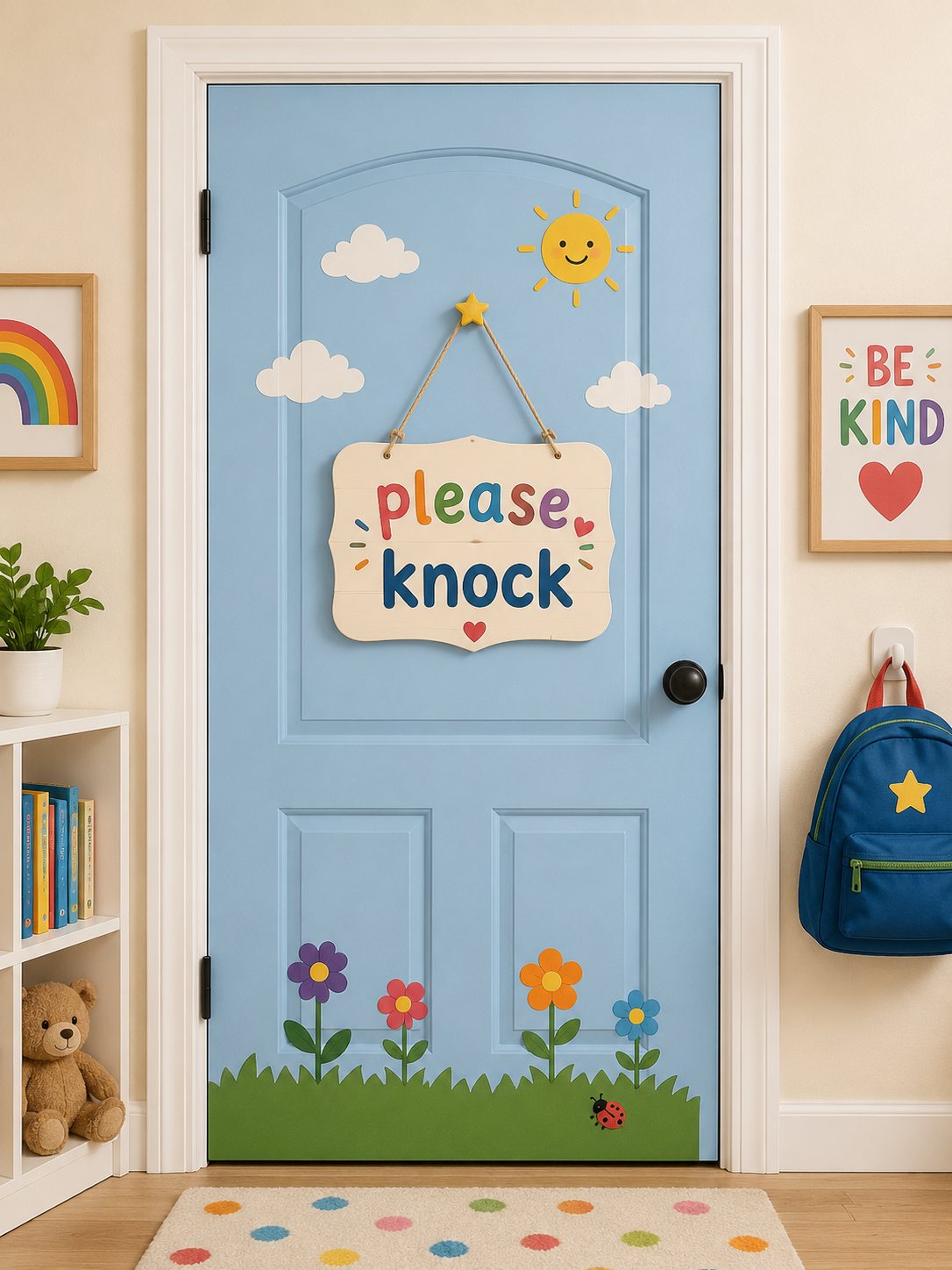
Privacy: Depending on age, provide children with appropriate levels of privacy (e.g. knocking on the door before entering their room, allowing them to have a private journal that you do not read). Know that you are the parent and you do have the authority to break or shift these boundaries at at time. Showing children some level of privacy communicates to them that you respect their space.
Physical Boundaries: Respecting physical boundaries. As much as you may want and need a hug, respect when your child says “no”. Model alternatives (e.g. high 5, fist bump), and find another way that both of your needs can be met. When show children that their physical body deserve respect, this teaches them that no matter who it is they are allowed to turn down physical touch. No matter if it’s your elderly grandma who wants a kiss on the check, a boyfriend that asked politely 3 times for a back rub, or a stranger who gives you flowers and wants a hug in return, they are allowed to say no and keep saying no at any time.
Oversharing: Share with others only what needs to be shared (i.e. don’t talk about them to others even if they aren’t around). Ask yourself, “Will this benefit my child by sharing this with others?”. No one likes to be talked about in front of or behind their back. Can you recall a time when your parent was gossiping to a neighbor about your behavior? If you want to share something with others, invite your child to join and share or ask them if it’s okay to share. For example, “Mrs. Smith, the neighbor asked me how your dance recital went. Is it okay if I tell her that it was difficult but you were really brave and tried your best?” or “I am going to talk to the doctor today about your body to make sure you stay healthy and strong.”
Discipline
Show respect when disciplining your child.
Comparison: When disciplining your child, try not to compare them to others (e.g. siblings, friends, other children). Instead of saying “Your brother never hits me when he is mad.”, you can say “I know this is very upsetting and it is difficult to control this anger.” Instead of “No one else is your class is crying over not getting pizza party except you.”, try “I know you have big feelings and you really were looking forward to the pizza party.” Honor their uniqueness and use validation.
Privacy: If able, discipline your child in private to avoid shame and embarrassment. No one likes a show, even the other people that are watching. Pull your child to the side or wait til after the event to discipline.
Focus on the Behavior: Focus on the behavior, not the child as a person. The behavior may be unacceptable but the child is accepted and worthy of love. Avoid phrases such as “bad boy/girl”, “you’re being ugly”, “big girls/boys don’t cry” etc. Instead you can say “it is not okay to hit mommy” or “the toys are not for throwing in the store”. When we label the child this can become internalized and affect their self-worth.
Modeling
One of the best ways to foster respect is to model respect. Kids learn so much just from watching you, so be aware of how you treat them and others.
Apologize: Apologize when you have yelled or violated their boundaries. This teaches them that it’s okay to mess up sometimes and you still love and respect them.
Labeling: Refrain from labels such as shy, bully, lazy, etc. This can cause feelings of shame.
Give Them a Voice: Allow them to speak for themselves. If someone asks them a question, allow them time to answer even if you think you know what they might say. This builds their confidence and show them that you believe in their autonomy.
Respect for All: Model respect for other people. The more you show that you respect others in the above ways, the more they will mirror the behavior for you and others.
Be aware of how you speak to others and how you show respect in the World. Your children are watching and learning.
Real Talk: Fixing The Boredom with A Screen: Do The Pros Outweigh The Cons?

Being a parent is a full time job. And if you already have a full time job, parenting is a second full time job. Then you have the responsibilities of being an adult (e.g. running errands, cleaning, cooking, etc.) and taking care of yourself (e.g. showering, brushing your teeth, feeding yourself). How do you do all of this plus entertain and take care of another human or two? Screens (e.g. TV, tablet, video games, phones) can feel like respite. One to two episodes of Paw Patrol while you do laundry, 1 hour of video gaming while you take a work call, Minecraft on the tablet at the restaurant while you have dinner with a friend.
How many times a day do you hear your child yelling for you because they are bored? And how did parents do it in the years without television, tablets, and internet?
In previous blog posts, I discussed the brain and our constant need for stimulation. We seek dopamine and the many types of screen feed that urge. Those with developing brains (i.e. children) seek this stimulation even more and build a tolerance thus leading to need more to get the same “hit”.
What Happens When We Solve Child’s Boredom With Screen Time
Two important brain networks to highlight are the Central Executive Network (CEN) and the Default Mode Network (DMN). The CEN helps to focus attention during tasks (i.e. schoolwork) and the DMN is active during daydreaming and imagination. Boredom often times leads to the activation of the DMN. Experts at the Child Mind Institute, discuss how boredom helps children develop problem-solving skills, flexibility, organizational skills, and future planning. It is not the boredom itself that helps develop these skills but children choose to do when they are bored. Boredom can be highly distressing for children and can lead to emotional dysregulation. Children must learn to sit with boredom and problem solve.
Get Curious
When your child says they are bored, explore it. Ask them what they are experincing, how they are feeling, what do they wish they were doing. Keep it neutral and nonjudgmental. Don’t try to fix their boredom for them. If you jump to fix this, they will learn how to gain your attention and never learn how to problem solve on their own.
Foster agency
When a child learns that they have the capability to problem solve their boredom this fosters a sense of agency. They will begin to believe that they can influence their own life circumstances. When you foster agency, you eliminate boredom. When they begin to feel bored they know they have the capability to solve this discomfort and find something to do with their time.
Be Proactive
Talk about boredom when they aren't bored. “Remember yesterday? How did it feel? What do you normally do when you feel this way? What could you do?” Help your child make a list of options and long term projects. This can help get the child started on some ideas. This does not mean this list will work everytime, but it can be a starting point. Try to add creative activities to the list as creativity is a good way to eliminate boredom.
Caution: Attention-Seekers
When a child refuses everything on their list, they may just want your attention. You can call this out. “It looks like you just want to talk/hang out with me.” If you get into a back and forth with them this is still rewarding as you are continuing to give them your attention. Keep this interaction brief and provide two choices. “You can choose _____ or _____.” Give them a moment to choose and if they do not, you choose for them and remind them of times when you are available to spend time with them. “Bobby, it looks like you just want to talk/hang out with me and right now I am cooking dinner. You can choose to play with your LEGOS or draw…. I looks like you do not want to choose, so I will chose for you. After I am done cooking we can talk and eat dinner together.” This is to be done if you notice that the boredom is more attention-seeking.
How You View Boredom
How you respond to your child’s boredom can also shape how they respond. View it with excitement and curiosity instead of dread and annoyance. Let your child be bored. They will build frustration tolerance, learn independence,build problem-solving skills, learn more about themselves, and increase self-confidence. “I know it feels uncomfortable to be bored and this is when your brain gets to be really creative.”
Real Talk: You are more susceptible to screen overuse (addiction) if you are Neurodiverse.

I am using the word addiction loosely here. I want to be clear that there is a difference between clinical addiction and the way most people in society discuss addiction. But it is important to understand that overall, our screen time use is rapidly increasing and putting us at risk for addictive behaviors. And if you have any type of neurodiversity (e.g. Autism or ADHD) you are at an even greater risk. Let’s break this down a little.
High Stimulation
Screen time is highly stimulating. Think about Mr. Roger’s Neighborhood, the slow paced kids show teaching kids about kindness. Now we have Paw Patrol with fast paced scenes (about 10 scene changes per minute). Popular video games are paired with loud explosions and gun fire and bright realistic looking (although artificial) scenery. Those with ADHD are dopamine seekers. Their body is under stimulated and seek this type of stimulation. The more stimulation they received, the more their tolerance builds, and they more they need to get the same dopamine hit. Autistic individuals can also have an under stimulation of different sense. Their body feels that are not getting the level of stimulation they need- this could be visual or auditory- and screen time (e.g. video games, YouTube, shows, social media) are feeding this need.
Predictability
Those on the Autism spectrum are typically black and white thinkers. Understanding the “gray” or predicting people’s behavior can many times be difficult. Video games are fairly predictable, you press the x button you jump, you go to this area of the game and the moster comes out.
Fantasy
Whether you are playing Fortnite or watching Stranger Things, these forms of entertainment pull you out of real life and into a fantasy realm. The world is not set up for the Neurotypical brains and believe it or not, fantasy- with its dragons, fireballs, and ghosts- can feel safer to the neurodiverse person. You can escape into a world where anything is possible. The girl finds true love from the prince, the superhero saves the day, the disabled child falls into the magical river and can walk again.
Second Chances
Video games can feel safer than the real world. If you do something wrong in a video game you have a second chance. If you die in a video game you usually have a certain number of lives or go back to a check-point where you come back to life and try again. In the real world if you forget to study for a test, you punch a peer, you forget look both ways before turning into traffic, you will have serious consequence and may not get a second chance to redeem yourself.
Limited Social Pressure
Socialization can come as a challenge for Autistic individual as they may struggle with perspective taking, understanding social cues, and reading nonverbal cues. As a result they may suffer from social anxiety. In video games, many times there are NPC (non-playable characters) with predictable conversation that the player can chat with. You can choose to play with others online and can mute an interaction if you wish. Television can get you sucked into a scenario of conversation without the pressure to respond. Social media is an outlet to connect and many people choose to just absorb the content rather than comment or post their own content. You may feel a sense of connection or meet a social need without the pressure to think of how to respond.
Research out the The University of Rochester Medical Center, Amen Institute, University College London, and other studies, reveal structural changes in the developing brain from screen overuse. Some have found similarities in these brains and those with substance use disorders. The neurodiverse individual already has structural differences, now add a screen and your changing the brain even more.
So do we take it away?
Not necessarily.
To many kids on the spectrum, video gaming, YouTube, and shows, is their special interest. We are ALL allowed to have a special interest. If you loved watching soccer, how would you feel if someone said you cannot watch soccer ever again? If your child only want to talk about RoBlox, help your child to be flexible talking about other topics.
Many neurodiverse kids find video gaming or social media as their form of socialization. Their online gaming friends may be their best friends that one day they may meet.
We live in a world full of screens, AI, and software that functions like a video game. We must learn how to live and navigate this world. We must educate and help kids to see how to control urges and find other outlets for stimulation.
Real Talk: “Don’t sit too close to the TV, it’ll rot your brain.”
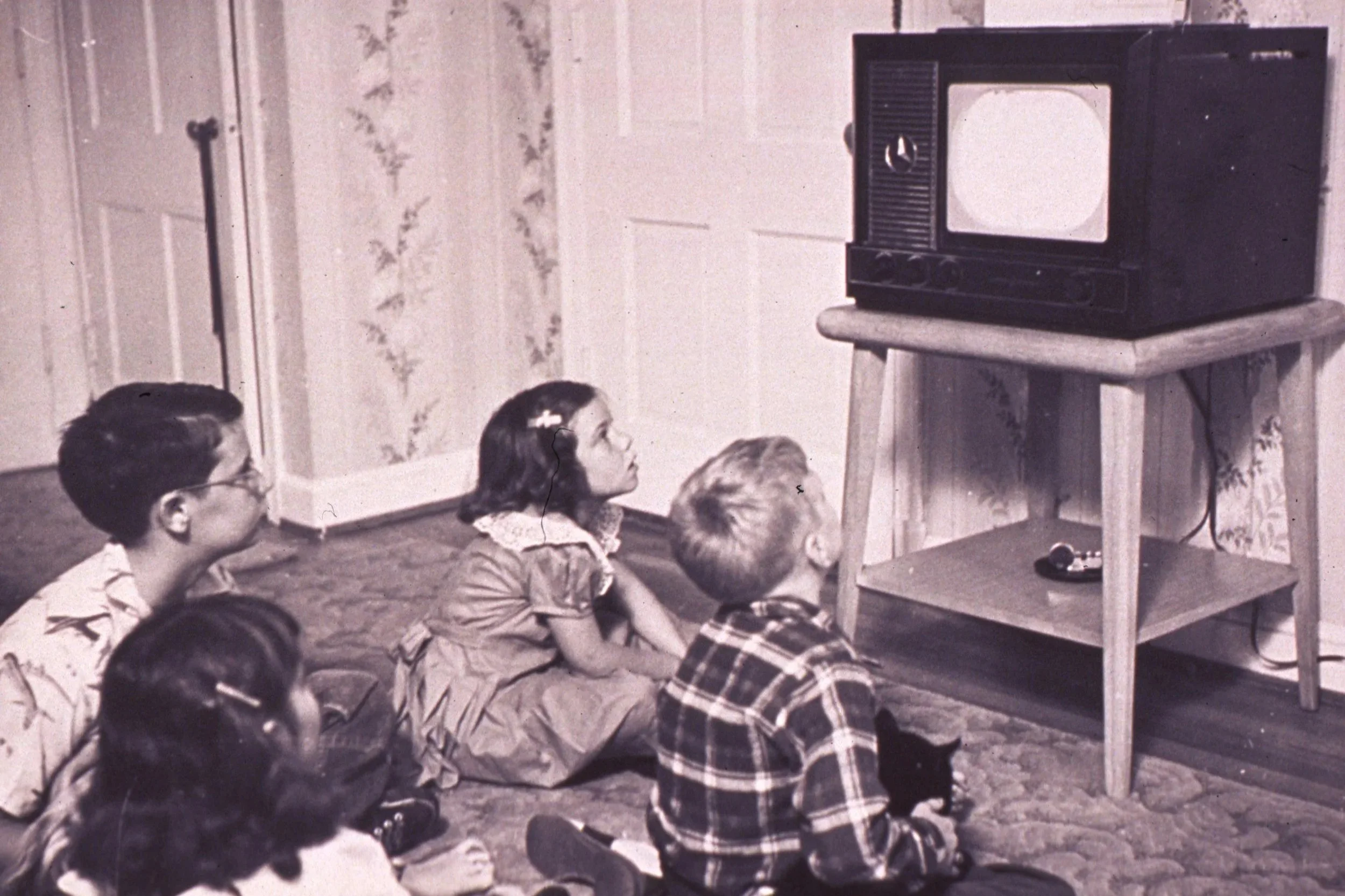
Remember this common phrase coined by sitcom moms in the 60s? From radiation to eye damage, parents were worried about the impact of screens on their children’s health. Now in 2026, we have mini screens that we take with us everywhere, living in our pockets, held inches away from our faces, tablets and laptops that perch on our laps for half the day, screens that light the room until we fall asleep.
Brain Anatomy
Lets first talk about the brain and neurotransmitters.
Dopamine- Dopamine is the neurotransmitter that is linked to motivation and then helps you to focus. You might hear this related to pleasure but actually this has more to do with motivation and desire than pleasure. Dopamine motivates you to read a book or finish a chore. If it is low, it is difficult to focus and therefore difficult to finish a task.
Oxytocin- This neurotransmitter is related to connection and closeness. It helps you to feel safe and calm. When you hug someone you love this is released. If it is low, anxiety can occur.
Endorphins- This neurotransmitter and hormone is released during pain, stress, or pleasure. This is the body’s natural painkillers and coping skill. Endorphins push the body really hard. Endorphins are released during a race to run fast and then when finished a natural calm is felt. Low endorphin levels often result in depression, anxiety, moodiness, and difficulty sleeping and can also trigger impulsive behaviors, addiction, and be linked to low motivation.
Serotonin- Serotonin is a neurotransmitter and hormone that helps regulate mood and sleep. It is often released from getting natural sunlight. This is considered the body's natural mood booster. When low, you can experince depression and anxiety.
Screens and The Brain
Think back to our ancestors, they would get a couple of dopamine spikes a day. They worked hard to gather berries, start a fire, or kill the animal for a meal and get rewarded (dopamine release). Now, we get thousands of spikes a day from screen time use. We are artificially stimulating and creating dopamine. Kids nowadays are choosing dopamine over oxytocin and serotonin when they are alone in their rooms with their devices. Parents, remember when you would spend all day riding your bikes with your friends outside? We need a balance of oxytocin, serotonin, and dopamine. When these are out of sync we see spikes in anxiety, stress, and depression.
Our ancestors’ stress was usually related to seeing a predator. They would see a predator, adrenaline and endorphins kick in and they would run. After they run and would achieve a self of safety they would feel a nature calm and the stress cycle would complete. Nowadays, kids are in a constant state of stress (e.g. bullying, homework, etc.). There is no escape or relief and the stress builds without the release of the endorphins to help calm their systems. Screens make this even worse when many times they are the source of the stress.
Finding Balance
How do we balance these neurotransmitters in a time when screens are so prevalent? How do we complete our stress cycle so the stress does not build?
Dopamine-Natural dopamine production can come from finishing a task. Have your child create a chores list (e.g. make the bed; clean their room). This may not be something that they enjoy doing, but once the task is finish, dopamine is released.
Oxytocin- Physical touch is the best and easiest way to release oxytocin. If you or your child is neurodiverse and one does not like hugs, animals/pets can serve as a great alternative. Other ways involve sitting close to your child, hand massages, painting nails, or sensory bushing.
Serotonin- Find time every day if weather permitting, for your child to spend time outside away from screens (e.g. bike rides, walks in the neighborhood, time at the park, playing sports).
Endorphins- Exercise is the most common form of releasing endorphins but also singing, creativity, and laughter involves the release of endorphins.
In Burnout: The Secret to Unlocking the Stress Cycle, Emily and Amelia Nagoski discuss different ways to complete the stress cycle. The most common way is exercise. Laughter, creativity, and connection is another way to ensure you cycle completes and brings your back to a level of homeostasis. Ensure your child has exercise, creative expression, or time with friends or family each day (unrelated to screen time). And everything I shared above is not just for your children, but also for adults too. We all need to ensure that we balance our neurotransmitters, limit screen time, and complete our stress cycles. So maybe these moms of the 60s were onto something when they said these screens would rot our brains.
Real Talk: Why do kids lie?

Why do kids lie?
The ability to lie is linked to cognitive development. Theory of Mind is the ability to understand that others have their own thoughts, beliefs, desires, and intentions, which may differ from one's own.
2-3 year olds lie typically to get out of a consequence. Lying at this age is not deceptive. Young child logic: “If I tell mom I did not break the picture, she will not get mad which means I did nothing wrong.”
3-4 year olds begin to experiment with lying as they start to understand their thoughts can differ from others, but do not fully understand the moral implications. They understand right from wrong but their desire to please adults is usually greater than the desire to be honest.
At 5 years old, children have typically refined their Theory of Mind skills.
4-6 year old may start lying intentionally to avoid punishment, gain approval, or test boundaries.
How to handle lying
Stay Calm: try to keep a neutral tone.
Discuss the Importance of Honesty.
Use Logical Consequence Not Punishments: If they lie about doing chores then they must complete the chore before a prefered activity.
Model Honesty: Kids learn from what they see. If a parent say “I give you an extra cookie but don’t tell Mom” they are learning that withholding information is okay.
Focus on the Behavior, Not the Child: Avoid labels like liar or cheater.
Find Validation: Think about why they may be lying
Imagination: Clint tells his peers that his dog saved a drowning man in the river.
Clint thinks it would be cool for his dog to rescue someone.
Validate his desire “It would be really cool if our dog could do that in real life.”
Desire: Billy lies about having a brother.
Billy has always wanted a brother.
“I know you wish you had a brother, who in your life seems like a brother to you?” Try to have a open conversation and identify the feels and desires.
Avoid punishment: Tisha forgot to do her homework again and created a lie about why she couldn’t complete it.
Tisha thinks if she has an excuse she won’t get into trouble.
“I understand you don’t want to get a 0 on this assignment. What can we do to set you up for success next time?”
Gain approval: Kim told the class she went to Paris over the weekend.
She wanted to impress the girls in the class.
“I know it’s really important to you to be friends with these girls. You do so many other cool things. You could tell them about _________ that you did the other week.”
Evading responsibility: Claire lies about being sick.
She does not want to take a test at school and feels unprepared.
“I know you have a big test today. How are you feeling about it?”
Testing boundaries: Gil told his mom he finished his dinner and instead threw it away.
Gil is trying to see what he can get away with.
Provide Gil choices to help him feel more in control. “Gil, I found your food in the trash. When you choose not to eat your food, you are choosing not to have dessert. When you eat your dinner you are choosing to have dessert”
Seeking attention: Mia told her parents she won a contest at school by running 15 laps around the playground.
Mia wants her parents to be proud of her.
Start to bring attention to things Mia is doing that you can praise. “You like it when I feel proud of you. I am so proud of the hard work you’ve been putting into your school work.”
Notice How You Respond: Lying has a purpose. Children are trying to communicate something to you. If your child lies about low grades/test score, think about how you have reacted in the past. Do you yell and punish your child for these grades? Maybe they are afraid of how you may react this time and it feels safer to lie.
How to help them feel safe to tell the truth
Listen: Listen without blame.
Show empathy and concern.
Use characters they like to help connect and soften the conversation: “What would superman say in this situation?”
Relate by providing a personal example about when you were in a similar situation. “When I was your age, I felt really worried about getting into trouble when I broke something so I would make up stories. But then I remembered that my parents love me and want me to be honest.”
Stick with the facts: “I know you said that you didn’t draw on the wall and your hand has red marker on it”.
Try to make it a learning opportunity: “It is important to you tell the truth so that next time I can show you where the paper is to color on.” OR “I know you said that you did not eat the cookies and I see crumbs on your face. It is important that you tell me when you eat sweets so that you don’t get a tummy ache.”
Thank them when they are honest.
Real Talk: What does Grief, Friendships, and Elevators Have in Common?

Right now, in both my life and the lives of others, I have noticed a theme of loss. Loss, not in the sense of death but instead loss of friendship. We constantly evolve and so do our friends. We change independently with our goals, interests, energy level, health, and time. And we change together as a unit. Some friendships stay intact and flow together, while others dissolve and separate, ebbing in different directions.
For teens this can be a difficult concept to understand. The other day I heard a wonderful analogy to relate to this occurrence. As we change it is like we step onto an elevator. The top floor is our destination, our goals. We make stops at each floor as we make our way up. Each floor being a new stage of life or life event (e.g. middle school, puberty, highschool, first job, etc). Inside our elevator we have our support system. Maybe we started with a packed elevator full of friends, but as we stop at each floor some friends make their exit. As we move through life and move toward the goal, the elevator may get weighted down. Instead of the elevator moving up smooth and steady there are jerks and little movement to the next floor. Maybe the elevator even gets cold and dark.
Notice the people in your elevator. Is anyone holding you back from moving up? It may be time for those people to exit the elevator and make room for new friends to enter. Sometimes new people enter our elevator and the elevator feels light and warm. Notice the shifts. When we are young, we believe everyone to be our friend. We run to the playground and everyone there has become our bestie. Our 5 year birthday party consists of everyone in kindergarten and you rent out the entire party room. As you age, that group becomes smaller and sometimes teens can feel a great sense of loss and sadness as they notice this change.
But what happens when you have a jam packed elevator? It's slow and heavy; it's uncomfortable and stuffy. Sometimes a smaller group of friends can help the elevator move faster and more efficiently.
Real Talk: Neurodiversity: What does this actually mean?

Neuro- brain
Diversity- different
Neurodiversity encompasses the brains that are wired differently than the typical developed brain.
But aren’t all brains different?
Yes, everyone’s brain anatomy is slightly different based on genetics and environmental factors, however those that have neurotypical brains align with the standard brain development that society deems as normal based on social, cognitive, and emotional milestones. Neurodivergent brains have more unique structural differences and process information differently that the typical developing brain.
The neurodiversity movement emphasises that the differences in brain development is not flawed and needs to be fixed but instead views these differences as a function of natural variation of the human genome.
What falls into the category of neurodivergence?
Autism
Brain scans of autistic teens show rapid growth of amygdala. The amygdala helps with the processing of emotions (i.e. specifically, fear, anger, and anxiety) and activates the fight or flight response. The hippocampus is also shown to be larger, which is the memory center. There is also a lot of over connectivity and underconnectivity in certain areas (i.e. the brain communicates alot to one part of the brain but not enough to the other).
Dyslexia
Research shows reduced grey matter volume in those with dyslexia (i.e. the folds of the brain are different that a neurotypical brain).
ADHD
In children with ADHD, the prefrontal cortex is smaller. This is the part of the brain that is in charge of executive functioning, working memory, and attention.
OCD
Images of those with OCD show larger striatum which is involved in habit formation.
Neurodiversity refers to these differences in the brain as just that, differences, not a disability that needs to be cured but a desire for inclusion.
As a therapist that works with the neurodiverse population, my goal isn’t to cure anyone's Autism or ADHD but instead build healthy self-esteem regarding hardships and labels, increase the ability to regulate emotions, and help them navigate the world socially as it isn't always set up to accommodate these brain types.
Real Talk: Mental Health is Not a Metaphor: How Our Words Shape Mental Health Stigma

In day-to-day language we don’t typically stop and think about phrases we often use. Some phrases have been in our vernacular for decades with little pause to what the phrase may actually mean. Here is a list of phrases that perhaps we should reconsider as they relate to mental health.
“The weather is so bipolar.”
What you actually mean: The weather is unpredictable, one minute it’s raining then it’s sunny. When using it to describe a person, it’s probably meant to convey someone’s mood swings up and down, happy then sad/mad.
What the diagnosis of bi-polar really is: Bipolar Disorder is a mental health disorder. It is characterized by alternating episodes of significantly elevated (mania) and depressed mood. TJust because someone is feeling sad and happy within the same day does not constitute a diagnosis of bipolar disorder. It is not simply being moody or unpredictable.
“I’m so OCD.”
What you actually mean: You probably have particularities about certain things. You might not like germs or like things to be organized. Being overly organized or conscientious of germs is not disordered.
What the diagnosis of OCD really is: Obsessive Compulsive Disorder involves both obsessions (recurrent and intrusive thoughts, images, or urges that cause significant anxiety or distress) and compulsions (repetitive behaviors or mental acts that the individual feels driven to perform in response to obsessions or according to rigid rules) that cause significant distress and interfere with daily functioning.
“I’m so depressed.”
What you actually mean: Most people experience a state of sadness due to a circumstance that is occurring right now. This is a feeling that you can feel from time to time but is not persistent.
What clinical depression really is: Clinical depression (Major Depressive Disorder) is a long-lasting and severe condition. It involves persistent feelings of hopelessness, fatigue, and a loss of interest in activities, significantly impacting daily life. Feeling depressed isn't simply feeling sad.
“We trauma bonded.”
What you actually mean: Most people feel a connection to people through discussing a similar situation, such as two people that have both experienced a toxic relationship. Maybe you have made a new friend by relating to their similar traumatic event.
What a trauma bond actually means: A trauma bond is when a victim feels a very strong bond or connection to their abuser. There is a pattern of abuse followed by kindness that creates a dependency toward the abuser.
“That’s so psycho/crazy.”
What you actually mean: This is usually used to describe something that is illogical or odd, such as “That’s so crazy that they laid off 15 people.”
What psychosis really is: Psychosis is a mental health condition that causes a significant loss of touch with reality. It is characterized by a combination of symptoms that can include: delusions, hallucinations, disorganized thinking and speech and change in behavior and affecting daily functioning.
“That is triggering.”
What you actually mean: This phrase is often used casually when someone feels annoyed or reminds them of an unpleasant memory.
What it actually means: To be "triggered" is to have an intense, overwhelming emotional or physical reaction (panic attack or flashback) in response to a reminder of a past trauma. This is particularly relevant for those with Post-Traumatic Stress Disorder (PTSD).
“You’re gaslighting me.”
What you actually mean: This typically refers to someone who is lying.
What it actually means: Gaslighting is a form of psychological manipulation and emotional abuse where a person intentionally tries to make someone doubt their own sanity or feelings. This usually isn't a one time thing but a pattern over time. Just because someone is lying or being unkind does not necessarily mean they are gaslighting you.
“I’m addicted to queso.”
What you actually mean: You really like something (such as queso cheese).
What an addiction really is: Addiction is defined as a chronic, relapsing disorder characterized by compulsive drug seeking, continued use despite harmful consequences. This causes long-lasting changes in the brain. Usually when used in this way, you don’t have a psychological dependency on the cheese but enjoy it so much that the thought of removing it from your diet would be difficult.
“She's such a narcissist"
What you actually mean: This is usually used to describe someone who is self-centered.
What Narcissism actually is: Narcissistic Personality Disorder (NPD) is a diagnosable personality disorder. It is marked by a persistent pattern of grandiosity, a profound lack of empathy, and an excessive need for admiration. Just because someone on social media posts alot of selfies does not necessarily mean they have NPD.
“That was so traumatic.”
What you actually mean: This is usually used to describe a stressful event.
What trauma really is: Clinical trauma causes severe psychological impairments that can affect your daily functioning.
Big T trauma: These are events you typically think of to be traumatic (e.g. natural disaster; abuse; violent crime; war) These can cause severe and long lasting symptoms and may result in PTSD.
Little t Trauma: These are everyday experiences that are significantly distressing that lead to anxiety, depression, and other mental health challenges over time (e.g. bullying; loss of loved one; emotional neglect).This is distinct from an event being merely stressful or upsetting.
It may seem silly to change the way we talk about these things but this can have a deep impact on those who actually struggle with real mental health challenges. If we change our daily language we can help break the stigma associated with mental health. Remember you are not perfect. It can take some time to break habits. The first step is awareness.
Real Talk: Boundaries don’t ruin the holidays; they make room for more meaningful connection.

Holiday Gatherings. These can either be a blast or a whole lot of stress. For many families, they bring up big emotions, old patterns, and well-intended comments that don’t always land the way we hope. Below are some gentle reminders of what to be mindful of over the holidays (and a few things to maybe refrain from saying or doing, even if your intentions are good).
Hugs – Not all children or teens want hugs. Even if you are related, that does not mean we should dismiss someone’s boundaries. We want to teach kids that they have autonomy and can advocate for what they need. Ask for a hug first, and if they look hesitant, offer another, safer option—like a high five or fist bump.
“Wow, you must be hungry” – Try to refrain from judging someone’s food intake, especially during the holidays. We don’t know what someone may be going through, and when we say this it can feel shameful and create an unhealthy relationship with food. The best thing to do in this situation is to model healthy eating behaviors.
Asking Big Life Questions – This is a big one, so I’ll break it down. No one wants to come to a family gathering and feel interrogated about what they are doing with their life. These questions are often asked out of curiosity or care, but they can still feel overwhelming or intrusive.
Topics that fall under this category include:
“Why don’t you have a girlfriend?”
“When are you having kids?”
“Did you choose a college yet?”
“What are you doing with your life?”
If someone wants to talk about these things, they will bring them up. Instead, try asking:
“What’s new?”
“How is school?”
“I heard you’ve been interested in robotics—tell me more about that.”
Negatively commenting on appearance (even when it’s meant as a joke) – We all know there is often some truth behind jokes. Instead of saying, “What’s with the bangs?” you can either refrain from commenting if you don’t have something kind to say, or try, “I noticed you got a new haircut.” Comments on appearance can uplift someone when they are respectful and caring, and they show our family and friends that we are paying attention.
Remember, no matter someone’s age, everyone’s boundaries deserve to be respected. The holidays are a great opportunity to practice creating spaces that feel emotionally safe, not just festive. And if you’re on the other side of this, remember that you are allowed to set your own boundaries too.
Welcome to Real Talk
Being human is hard! We live in a world where we feel the pressure to have it all together. This space is a gentle reminder that being human is messy, beautiful, overwhelming, and worth talking about. Real Talk is where we take the masks off, slow down, and get honest about what it means to care for our mental health, support our kids, and show up for ourselves.
Here, you’ll find:
Real-life parenting guidance grounded in child development and play therapy
Mental health support that’s practical and approachable
Self-care ideas that actually nourish your body and mind
Tools for connection (with yourself, your child, and the people you love)
Each week I will be posting a new blog topic anywhere from screen time use to holiday stress relief reminders. My hope is that this blog feels like sitting down with a warm cup of coffee (or tea) and taking a deep breath. Remember that you’re not alone in the hard moments.