
Real Talk: R.E.S.P.E.C.T: Find out what it means (to your child)
How do you build a household that fosters respect? It seems like a simple questions but sometimes when you see your child lying, hitting, or saying something unkind, we realize maybe this isn’t such a simple task. In order for children to display respect for others, we must show them respect as well.
Boundaries
Children are allowed to have boundaries too. From a young age, children have very little autonomy. They rely fully on you for food, shelter, and decision making. As they age, they begin to make decision on their own and begin to develop a sense of self.
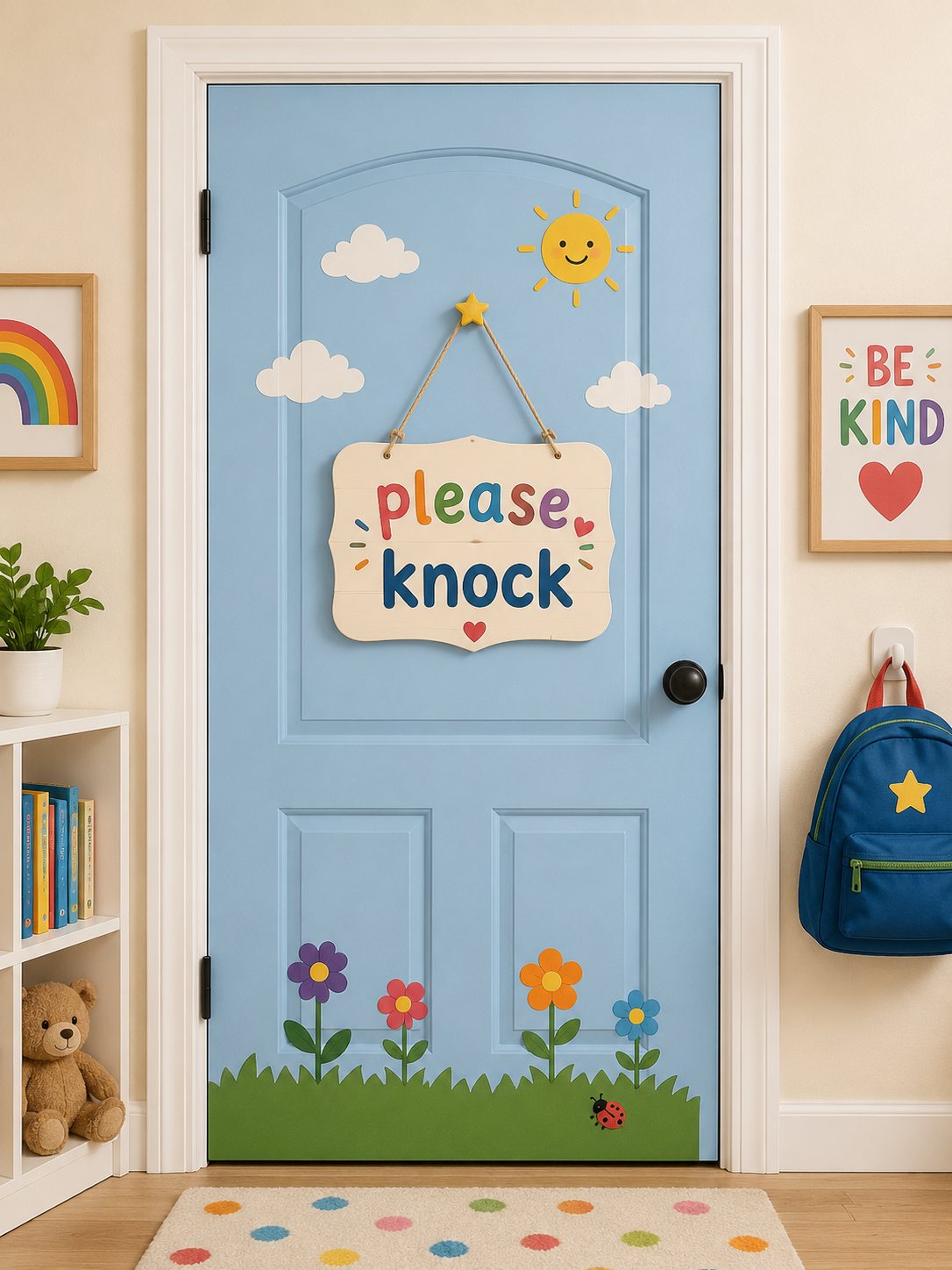
Privacy: Depending on age, provide children with appropriate levels of privacy (e.g. knocking on the door before entering their room, allowing them to have a private journal that you do not read). Know that you are the parent and you do have the authority to break or shift these boundaries at at time. Showing children some level of privacy communicates to them that you respect their space.
Physical Boundaries: Respecting physical boundaries. As much as you may want and need a hug, respect when your child says “no”. Model alternatives (e.g. high 5, fist bump), and find another way that both of your needs can be met. When show children that their physical body deserve respect, this teaches them that no matter who it is they are allowed to turn down physical touch. No matter if it’s your elderly grandma who wants a kiss on the check, a boyfriend that asked politely 3 times for a back rub, or a stranger who gives you flowers and wants a hug in return, they are allowed to say no and keep saying no at any time.
Oversharing: Share with others only what needs to be shared (i.e. don’t talk about them to others even if they aren’t around). Ask yourself, “Will this benefit my child by sharing this with others?”. No one likes to be talked about in front of or behind their back. Can you recall a time when your parent was gossiping to a neighbor about your behavior? If you want to share something with others, invite your child to join and share or ask them if it’s okay to share. For example, “Mrs. Smith, the neighbor asked me how your dance recital went. Is it okay if I tell her that it was difficult but you were really brave and tried your best?” or “I am going to talk to the doctor today about your body to make sure you stay healthy and strong.”
Discipline
Show respect when disciplining your child.
Comparison: When disciplining your child, try not to compare them to others (e.g. siblings, friends, other children). Instead of saying “Your brother never hits me when he is mad.”, you can say “I know this is very upsetting and it is difficult to control this anger.” Instead of “No one else is your class is crying over not getting pizza party except you.”, try “I know you have big feelings and you really were looking forward to the pizza party.” Honor their uniqueness and use validation.
Privacy: If able, discipline your child in private to avoid shame and embarrassment. No one likes a show, even the other people that are watching. Pull your child to the side or wait til after the event to discipline.
Focus on the Behavior: Focus on the behavior, not the child as a person. The behavior may be unacceptable but the child is accepted and worthy of love. Avoid phrases such as “bad boy/girl”, “you’re being ugly”, “big girls/boys don’t cry” etc. Instead you can say “it is not okay to hit mommy” or “the toys are not for throwing in the store”. When we label the child this can become internalized and affect their self-worth.
Modeling
One of the best ways to foster respect is to model respect. Kids learn so much just from watching you, so be aware of how you treat them and others.
Apologize: Apologize when you have yelled or violated their boundaries. This teaches them that it’s okay to mess up sometimes and you still love and respect them.
Labeling: Refrain from labels such as shy, bully, lazy, etc. This can cause feelings of shame.
Give Them a Voice: Allow them to speak for themselves. If someone asks them a question, allow them time to answer even if you think you know what they might say. This builds their confidence and show them that you believe in their autonomy.
Respect for All: Model respect for other people. The more you show that you respect others in the above ways, the more they will mirror the behavior for you and others.
Be aware of how you speak to others and how you show respect in the World. Your children are watching and learning.
