
Real Talk: Neurodiversity: What does this actually mean?
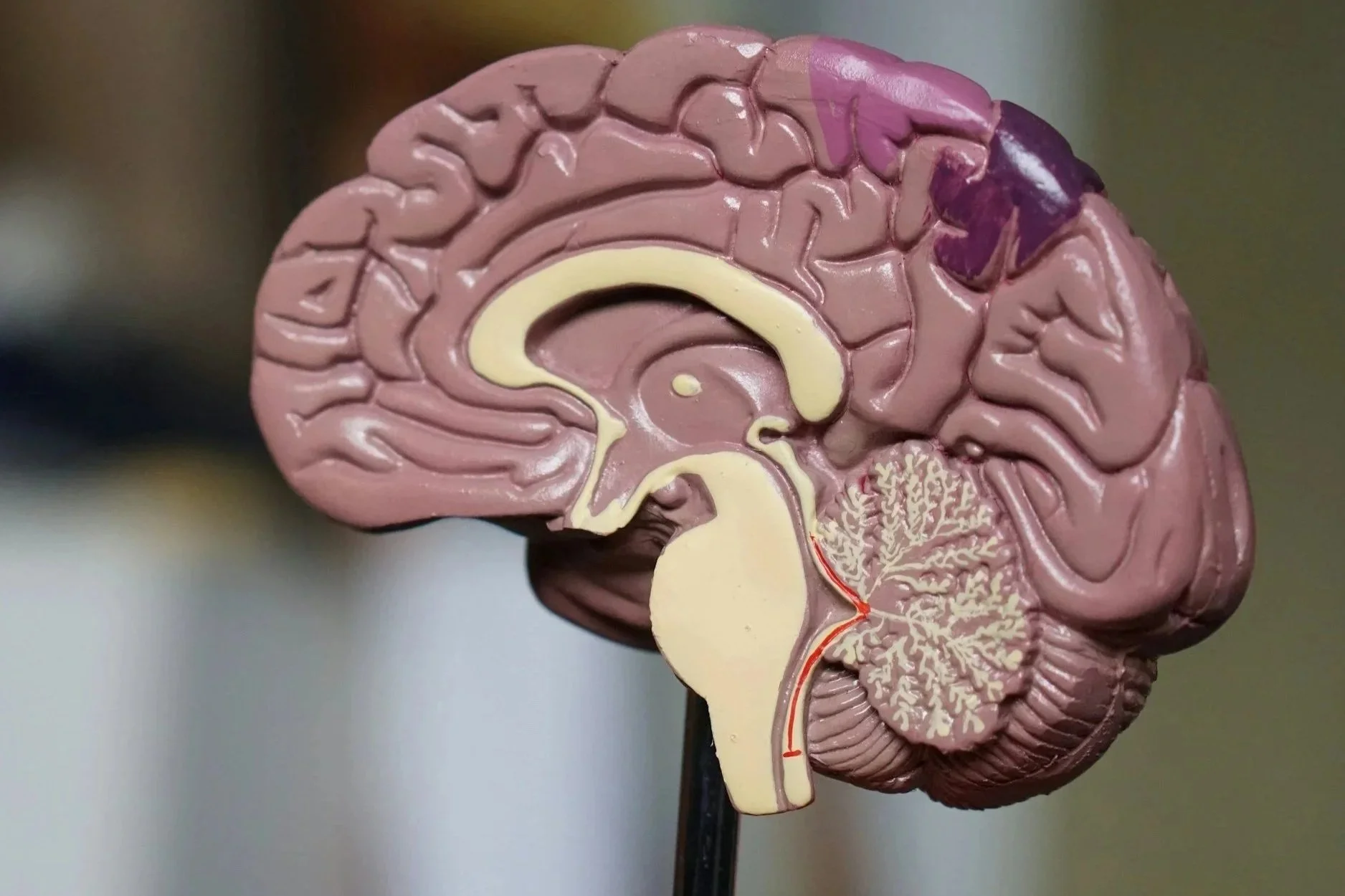
Neuro- brain
Diversity- different
Neurodiversity encompasses the brains that are wired differently than the typical developed brain.
But aren’t all brains different?
Yes, everyone’s brain anatomy is slightly different based on genetics and environmental factors, however those that have neurotypical brains align with the standard brain development that society deems as normal based on social, cognitive, and emotional milestones. Neurodivergent brains have more unique structural differences and process information differently that the typical developing brain.
The neurodiversity movement emphasises that the differences in brain development is not flawed and needs to be fixed but instead views these differences as a function of natural variation of the human genome.
What falls into the category of neurodivergence?
Autism
Brain scans of autistic teens show rapid growth of amygdala. The amygdala helps with the processing of emotions (i.e. specifically, fear, anger, and anxiety) and activates the fight or flight response. The hippocampus is also shown to be larger, which is the memory center. There is also a lot of over connectivity and underconnectivity in certain areas (i.e. the brain communicates alot to one part of the brain but not enough to the other).
Dyslexia
Research shows reduced grey matter volume in those with dyslexia (i.e. the folds of the brain are different that a neurotypical brain).
ADHD
In children with ADHD, the prefrontal cortex is smaller. This is the part of the brain that is in charge of executive functioning, working memory, and attention.
OCD
Images of those with OCD show larger striatum which is involved in habit formation.
Neurodiversity refers to these differences in the brain as just that, differences, not a disability that needs to be cured but a desire for inclusion.
As a therapist that works with the neurodiverse population, my goal isn’t to cure anyone's Autism or ADHD but instead build healthy self-esteem regarding hardships and labels, increase the ability to regulate emotions, and help them navigate the world socially as it isn't always set up to accommodate these brain types.
